
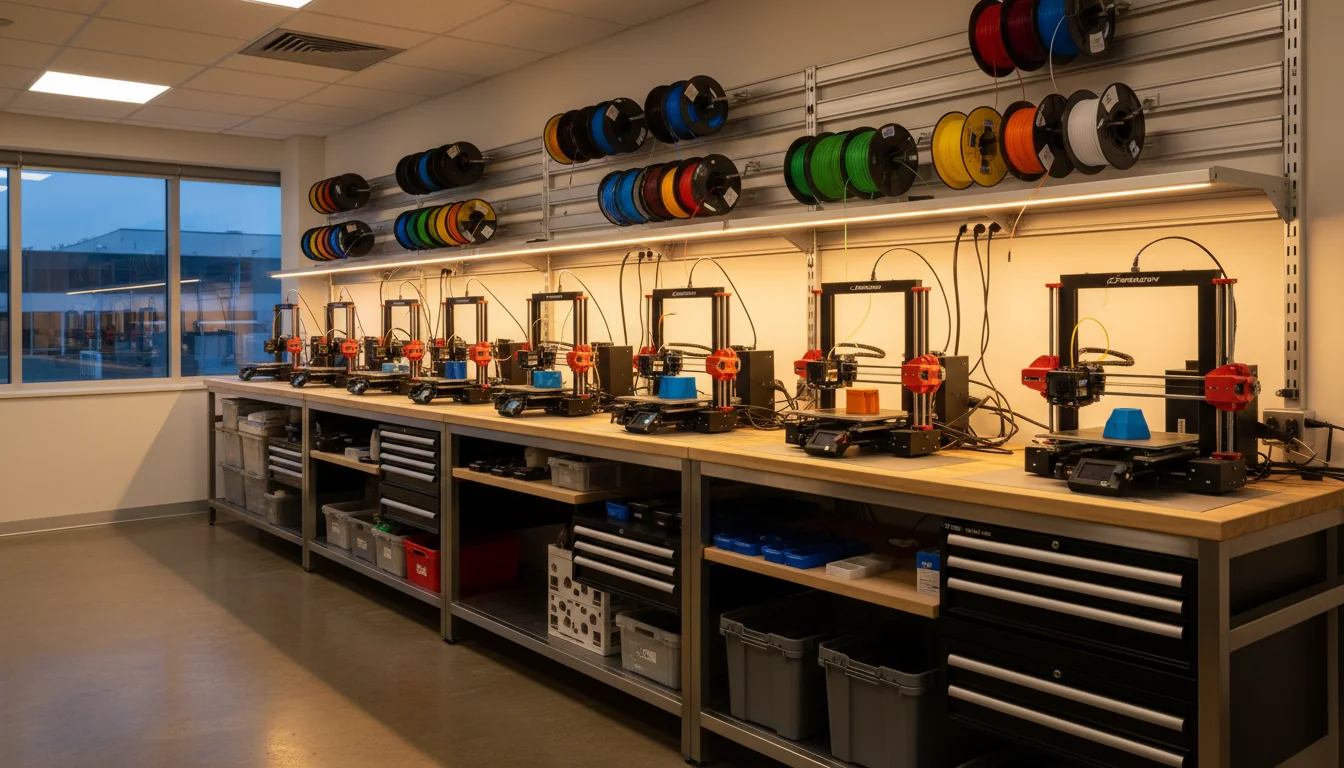
From Hobby to Print Farm
What started as a hobby in a small room in Jaipur has grown into a tiny but passionate print farm. We love watching digital designs transform into physical objects that people can hold, use, and cherish.
Being small means we care about every single print. We treat each model as if it were our own, ensuring quality and attention to detail. We're not a factory - we're creators helping other creators.
Quality First
Every print is inspected before shipping. We'd rather redo a print than ship a bad one.
Fast Turnaround
Automated quoting means you get pricing in seconds, not days. We print and ship within the week.
Personal Service
Have questions about your project? We respond within 24 hours with honest, practical advice.
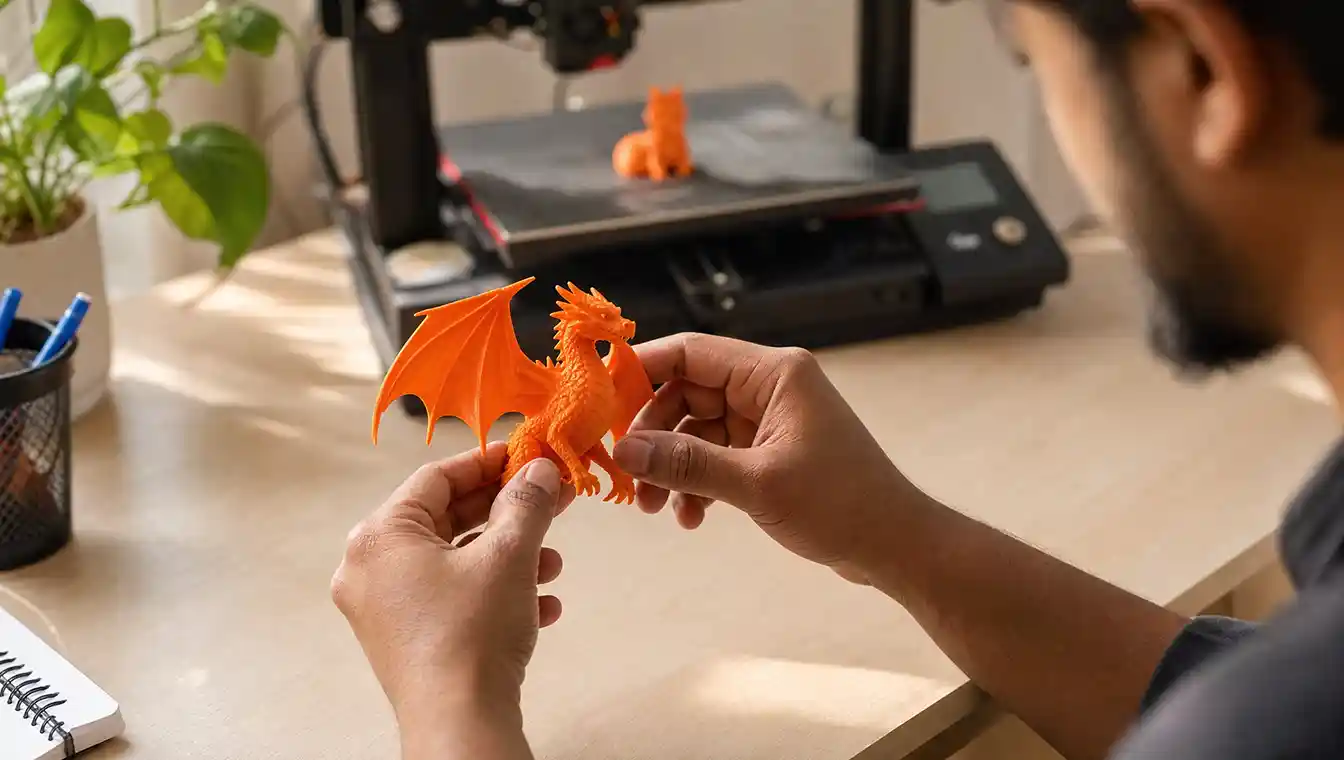
Every print is inspected by hand before shipping
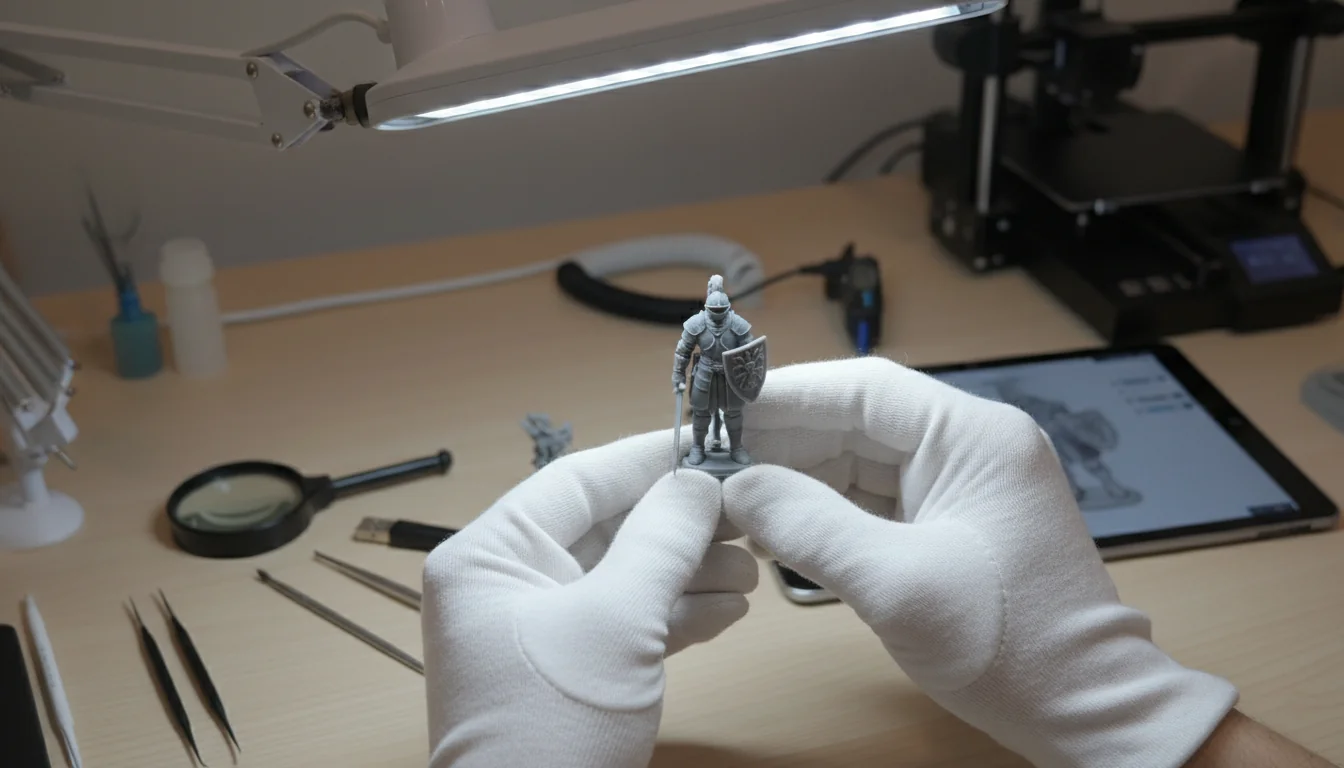
Quality control at every step
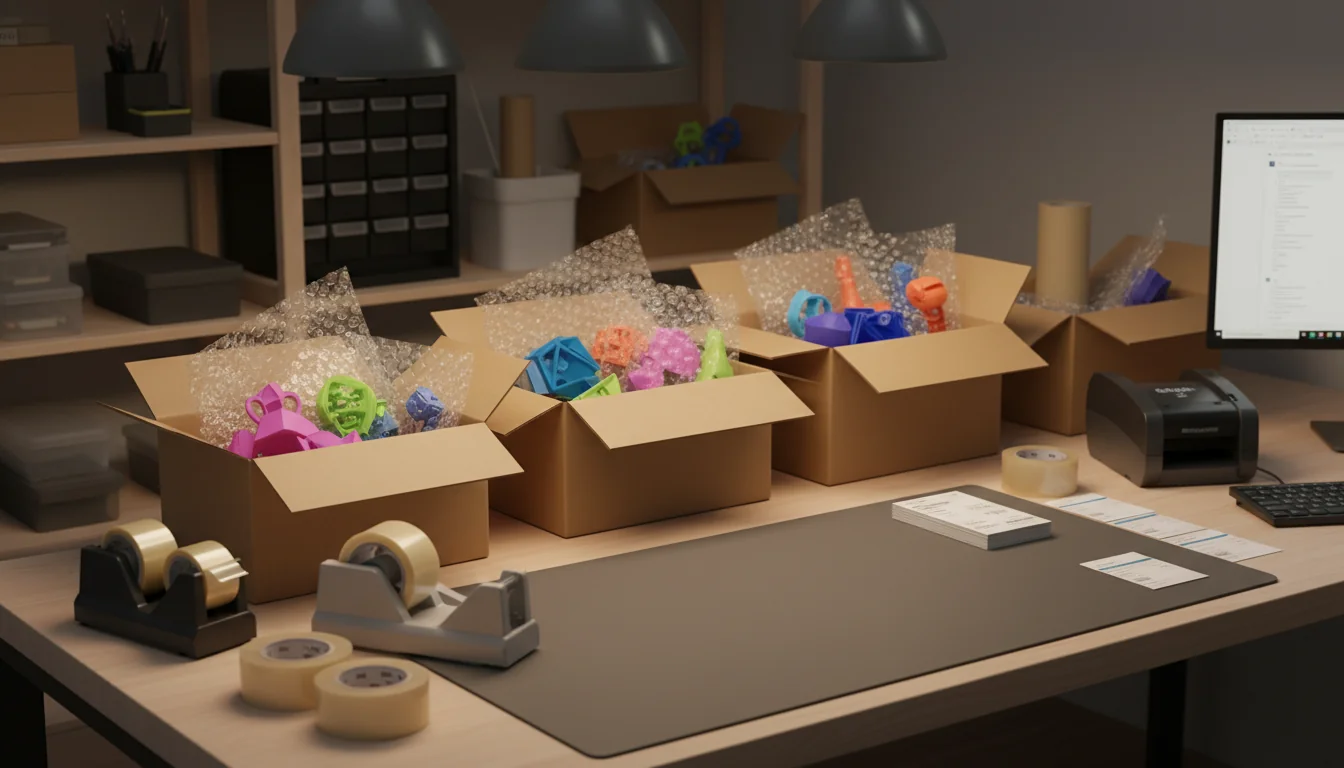
Careful packing for safe delivery
PLA vs PETG
Two professional-grade filaments for different needs. Both deliver excellent results.
PLA
Polylactic Acid
Biodegradable thermoplastic made from corn starch. Easy to print, vibrant colors, smooth finish.
Best For
- Decorative items and figurines
- Prototypes and visual models
- Indoor displays and showpieces
- Educational projects
PETG
Polyethylene Terephthalate Glycol
Tough, durable, food-safe thermoplastic. Stronger than PLA with better heat and UV resistance.
Best For
- Functional mechanical parts
- Protective cases and enclosures
- Items exposed to sunlight or heat
- Tools and handles that need durability
| Feature | PLA | PETG |
|---|---|---|
| Price | ₹4/g | ₹4/g |
| Strength | Moderate, can be brittle | High, flexible and tough |
| Heat Resistance | Up to ~60°C | Up to ~80°C |
| Ease of Printing | Easy, beginner-friendly | Moderate, requires tuning |
| Surface Finish | Smooth, glossy | Slightly matte, may show lines |
| Best Use | Display, decorative items | Functional, durable parts |
What FDM Can (and Can't) Do
We use FDM technology - excellent for most applications, but not the right fit for everything.
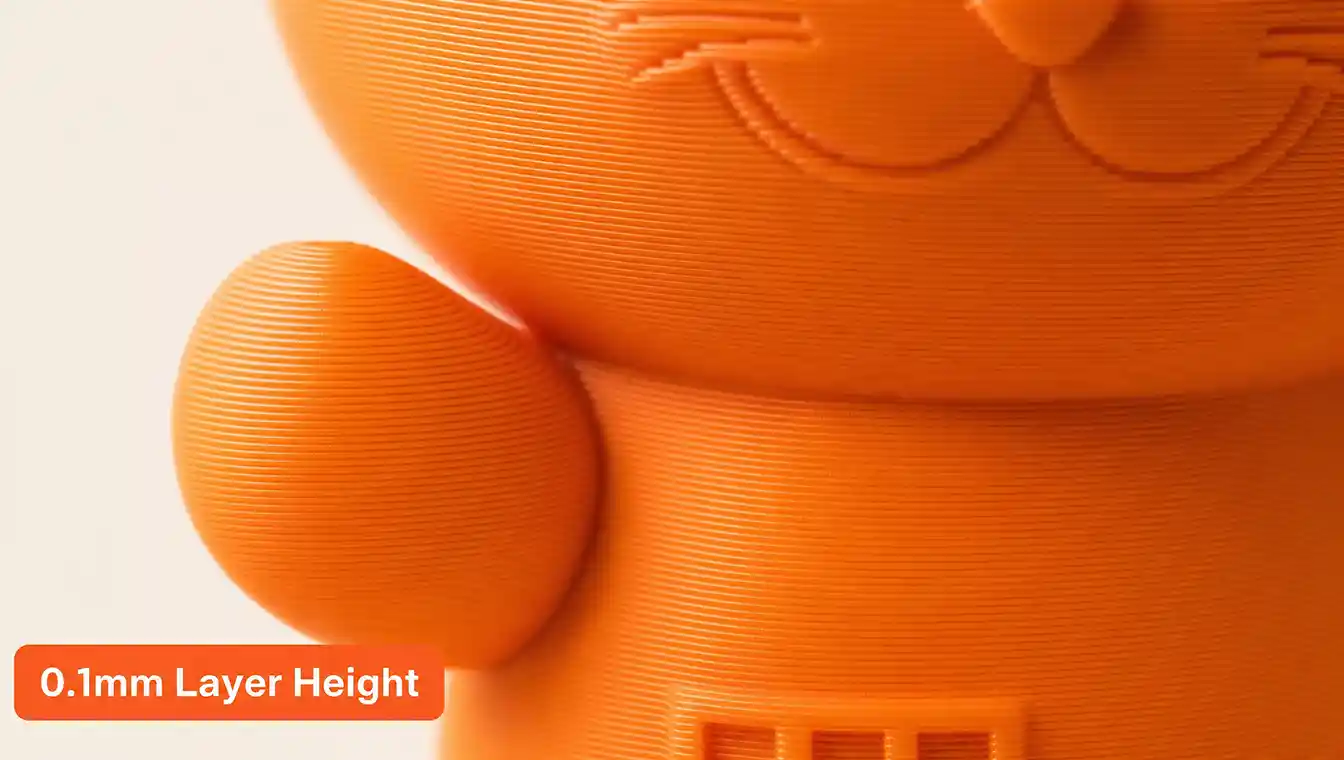
0.1mm layer height
Great For
- Functional Prototypes - test form, fit, and function
- Custom Parts - brackets, mounts, enclosures, drone parts
- Decorative Items - figurines, art pieces, desk organizers
- Hobbyist Projects - RC parts, cosplay props, miniatures
- Household Items - hooks, clips, repair parts, organizers
- Educational Models - STEM projects, teaching aids
Not Ideal For
- Jewelry-grade smoothness - visible layer lines on curves
- Tiny details below 0.5mm - need SLA/resin for that
- Completely smooth surfaces - post-processing helps but isn't perfect
- Transparent parts - FDM is translucent at best
- Precision below ±0.2mm - consider CNC for tighter tolerances
How Your Quote Is Calculated
No hidden fees. Here's exactly what goes into your price.
Material Cost
Weight of your model times material rate
Printing Time
Estimated print duration times rate
Shipping
Zone-based via Delhivery
GST (18%)
CGST 9% + SGST 9% on subtotal
What Our Customers Say
"Got my drone camera mount printed in PETG. Fit perfectly on the first try."
"Instant quoting saved me so much time. Delivery was on time and prints were clean."
"Ordered tabletop miniatures - great detail on small parts. Will definitely order again."
Have an STL File?
Upload it now and see pricing in under 10 seconds. No account needed.